Born Different: How C-Section Births Shape the Microbiome — Including the Mouth
How your baby’s earliest moments influence lifelong bacteria balance.
The First Gift We Give a Newborn
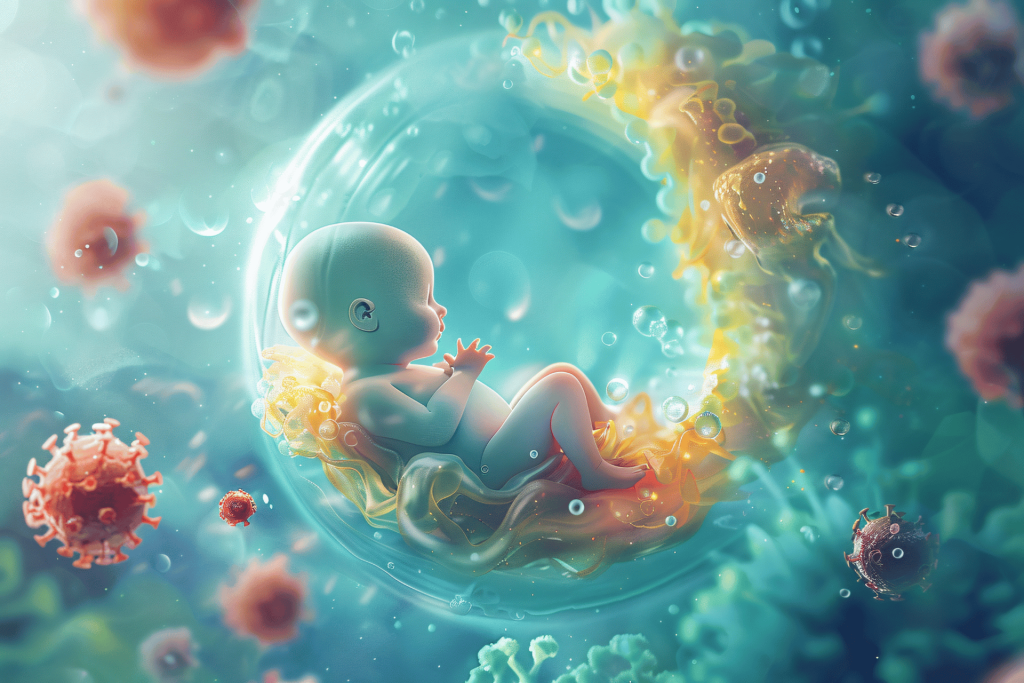
When a baby enters the world, their body is almost completely sterile — no bacteria in the mouth, gut, or skin yet. Within minutes, nature begins “seeding” them with microbes from the mother — beneficial ones (and occasionally less helpful ones) — which together start forming the foundation of the baby’s lifelong microbiome.
These microbes don’t live alone. They grow, interact, and form complex communities that settle into the mouth, gut, skin, and airways — shaping immunity, digestion, and oral health for years to come.
Vaginal Birth vs. C-Section: What Changes?
During a vaginal birth, babies naturally pick up good bacteria from the mother’s birth canal — mainly Lactobacillus and Bifidobacterium species, which are associated with healthier early immunity and more stable microbiome development.
With a C-section, babies instead encounter microbes from the skin and the hospital environment, which leads to a different initial microbial profile.
This doesn’t mean C-section babies are unhealthy — only that their microbiome may take a different developmental pathway.
Verified research shows C-section newborns may experience:
- Slower initial colonisation of beneficial bacteria
- Higher early levels of skin- or environmental-type microbes
- Greater susceptibility to oral and gut imbalance in infancy
- Slightly increased risk of conditions linked to early microbial disruption (eczema, allergies, gut sensitivity)
How This Affects the Mouth
The oral microbiome establishes very quickly in early life.
Babies born via C-section often show:
- Lower initial colonisation of protective oral bacteria
- Differences in oral pH and saliva microbial composition
- Higher levels of early-life bacteria associated with childhood caries risk
Again, this doesn’t guarantee dental problems — it simply highlights that microbial balance starts from day one.
Breastfeeding, Skin-to-Skin & Early Habits Help
Regardless of birth method, parents can support healthy microbial development:
- Breastfeeding — contains probiotics and prebiotic oligosaccharides that feed good bacteria.
- Skin-to-skin contact — helps reseed beneficial maternal microbes.
- Avoiding saliva-sharing (e.g., blowing on food, sharing utensils), which reduces transmission of cavity-causing bacteria.
These habits encourage the growth of stable, healthy microbial communities in the mouth and gut.
The Role of Probiotics
As the child grows, oral probiotics can help:
- Support colonisation of beneficial oral bacteria
- Reduce harmful species such as Streptococcus mutans
- Promote gum and enamel health
- Improve long-term oral microbial balance
This is especially useful when early microbial exposure differs due to delivery method, antibiotics, or formula feeding.
(All claims above are supported by clinical trials and published pediatric microbiome research.)
Quick Takeaway
Your child’s microbiome journey begins at birth.
C-section delivery simply creates a different starting point — one that can be strengthened with breastfeeding, skin contact, healthy feeding habits, and microbiome-supporting oral care.
A balanced bacterial community is the foundation of a healthy smile — from the very beginning.
👉 Explore BioDenta® Kids oral care — formulated to support growing mouths gently and naturally.