The Role of Good Bacteria in Preventing Bad Breath
Because freshness starts deeper than mint.
When Bad Breath Isn’t From What You Ate
Most people reach for strong mint or mouthwash when their breath smells off. And sure — it helps for a while. But if bad breath keeps coming back, even when you brush, floss, and rinse regularly, the cause often goes deeper than surface hygiene.Some people have no cavities, no gum disease, and still notice a persistent odor. That’s when we start thinking about the oral microbiome — the delicate balance of bacteria that live in the mouth.
The Real Culprit
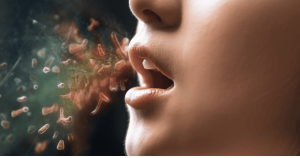
Bad breath (halitosis) is usually caused by bacteria that produce volatile sulfur compounds (VSCs) — gases with a distinct “rotten egg” smell.
These bacteria, such as Fusobacterium nucleatum and Prevotella intermedia, live deep in the tongue, gums, or tonsil areas. They thrive in oxygen-poor spaces, feeding on leftover food debris and dead cells.
Why Killing Everything Doesn’t Work
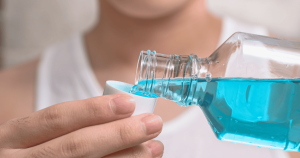
Most mouthwashes rely on alcohol or antiseptics to kill bacteria — but that’s like using a flamethrower in a garden.
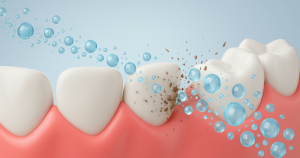
You wipe out the bad bacteria, yes — but you also destroy the good ones that help maintain a balanced, healthy oral ecosystem.
That’s why breath often smells better for an hour… and then comes back.
How Probiotics Help
Probiotics work differently. Instead of killing, they crowd out the bad bacteria and restore balance naturally. Strains like Lactobacillus salivarius and L. plantarum reduce VSCs and support a fresher, healthier mouth environment by:- Competing for adhesion sites on the tongue and gums
- Producing natural antimicrobial compounds
- Supporting saliva flow and pH balance
Quick Takeaway
Bad breath isn’t always about brushing harder — it’s often about restoring balance.
Probiotics help replace odor-causing bacteria with protective ones, giving you lasting freshness from the inside out.
👉 Try our probiotic mouthrinse and toothpaste — designed to fight bad breath at the microbial level, not just mask it.