How Probiotics Help in Gum Disease and Periodontal Health
When brushing and flossing aren’t enough.
When Brushing Isn’t the Whole Story
You brush. You floss. You even use mouthwash. Yet your gums still bleed or feel tender. That’s because gum disease — or periodontal disease — isn’t only about hygiene. It’s about bacteria balance.The Bacteria Behind Gum Problems
Inside every mouth lives a community of microorganisms — some protective, some destructive.
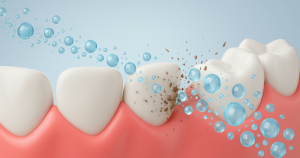
One of the main culprits in gum inflammation is Porphyromonas gingivalis, a bacterium that hides deep below the gumline, triggering chronic inflammation and damaging the tissue that supports your teeth.
Left unchecked, this process can lead to periodontitis — the advanced stage of gum disease that causes bone loss and tooth mobility.
Even more concerning, P. gingivalis has been linked to heart disease, diabetes complications, and even Alzheimer’s disease, showing how oral health connects to the whole body.
Why Killing Bacteria Isn’t the Solution
Antibacterial mouthwashes and harsh rinses don’t discriminate — they kill both harmful and beneficial bacteria.This can temporarily reduce plaque, but it doesn’t solve the root problem: a disrupted oral microbiome.
How Probiotics Make the Difference
Probiotics work by restoring balance within this microbial ecosystem. They help control periodontal pathogens like P. gingivalis through:- Competition for adhesion sites on the gums and teeth
- Natural antimicrobial activity that suppresses harmful bacteria
- Modulating inflammation, helping the gums heal and reducing bleeding
Quick Takeaway
Persistent gum problems often signal imbalance, not poor brushing. By restoring good bacteria, probiotics help calm inflammation, protect tissue, and support long-term periodontal health — naturally.
👉 Discover our probiotic toothpaste and mouthrinse — formulated to support gum health from the microbiome up.